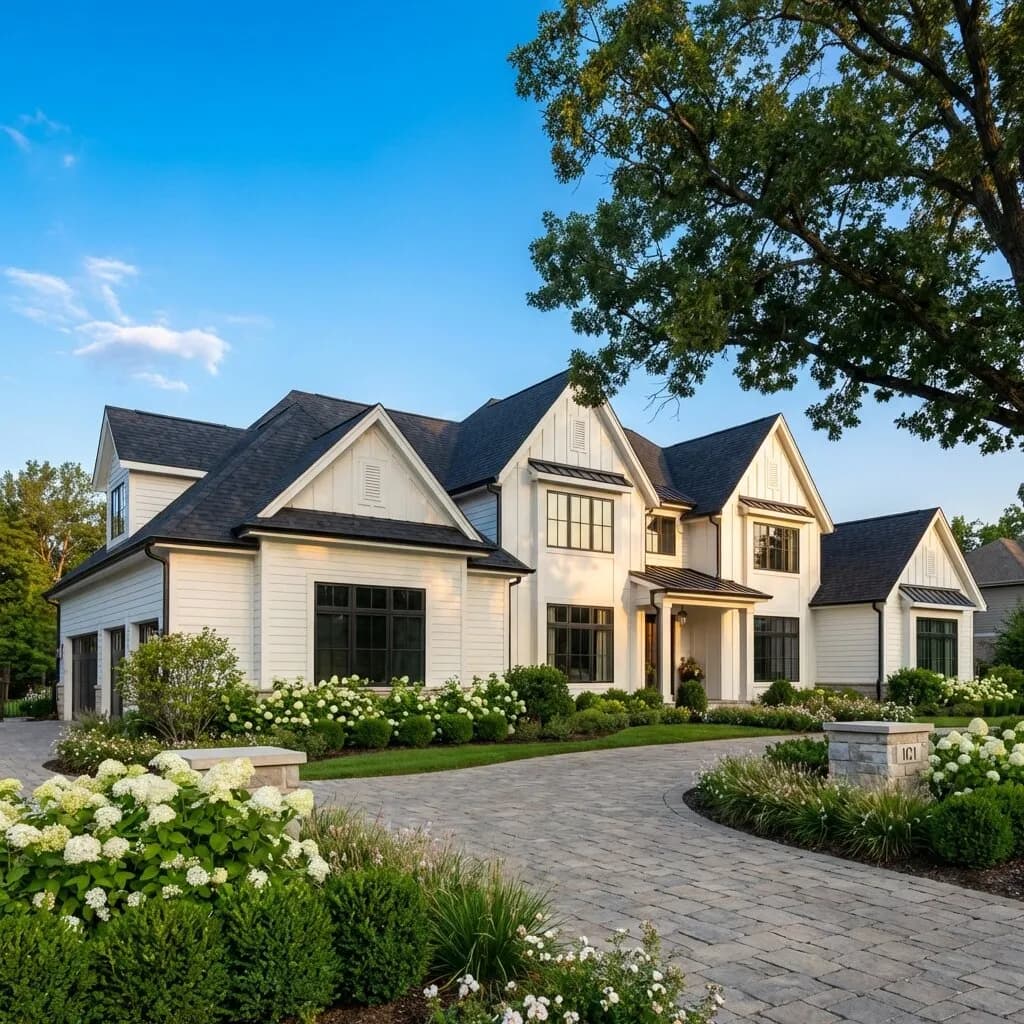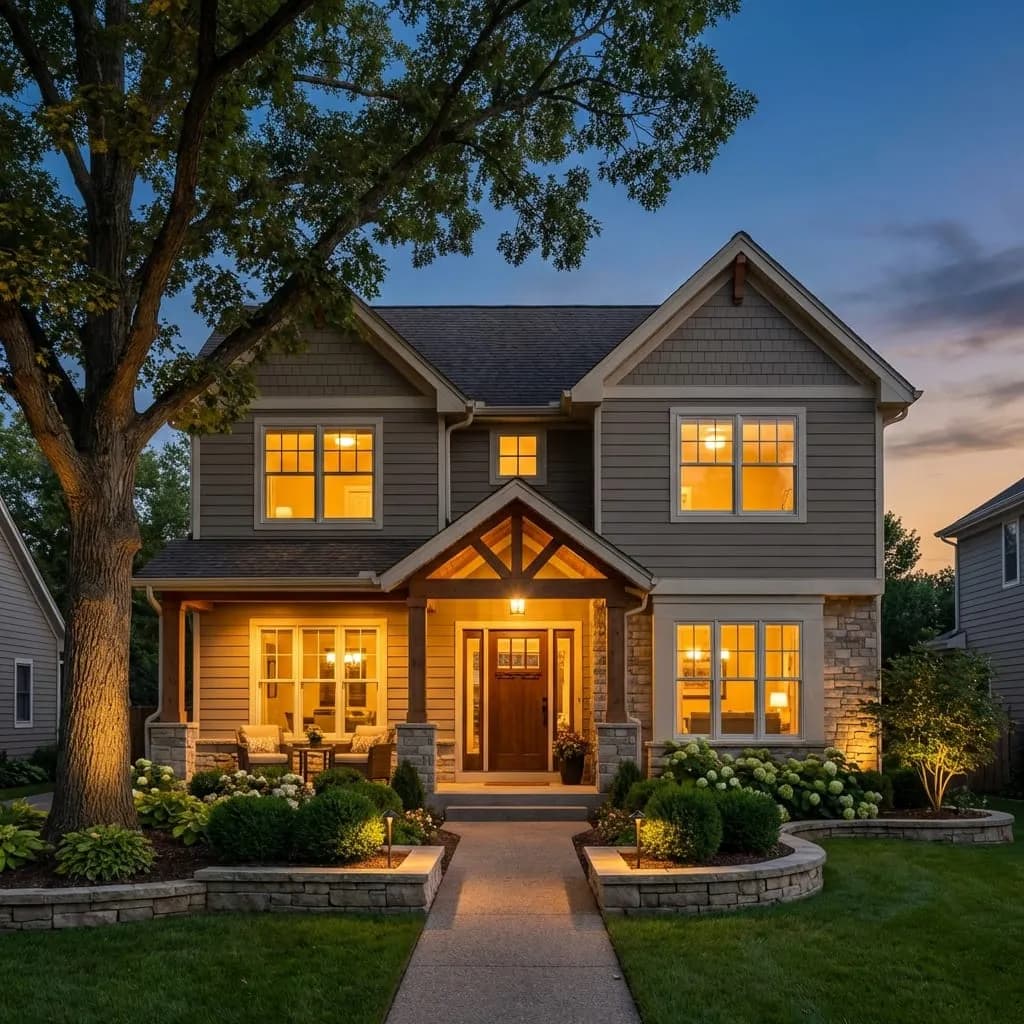
Quick Answer: James Hardie fiber cement siding costs $10-15/sq ft but lasts 50+ years with a 30-year warranty. Vinyl siding costs $4-8/sq ft and lasts 20-30 years. For PA/NJ homeowners staying long-term, James Hardie typically offers better value despite the higher upfront cost.
This is the siding question we get most. Vinyl is everywhere and affordable. James Hardie costs more but promises more. Which one actually makes sense for your house?
After installing both for years across the Lehigh Valley and Jersey, here's my honest take.
The Quick Version
| What You're Comparing | James Hardie | Vinyl |
|---|---|---|
| Upfront Cost | $$$$ | $$ |
| How Long It Lasts | 30-50 years | 20-30 years |
| Maintenance | Low | Almost none |
| Fire Resistance | Won't burn | Melts |
| Impact Resistance | Solid | Can crack |
| Resale Appeal | Strong | Moderate |
| Warranty | 30 years | "Lifetime" (with limits) |
The Case for James Hardie
What It Does Well
It handles PA/NJ weather. Fiber cement doesn't care about freeze-thaw cycles. Won't warp, won't rot, won't let termites through. After 20 years, it looks pretty much like year one.
It doesn't burn. Cement-based product. Non-combustible. Your grill mishap or your neighbor's fire won't take your siding with it.
ColorPlus actually works. Factory-applied color baked on in controlled conditions. It's not paint sitting on top—it's part of the finish. Fifteen-year color warranty because they know it holds.
Looks like whatever you want. Wood grain, smooth, shingle-style. From the curb, you can't tell it's not the real thing. Up close either, honestly.
Helps resale. Fiber cement is often a selling point, especially in nicer neighborhoods. Buyers notice.
The Downsides
More expensive. No getting around it—$10-15 per square foot installed versus $4-8 for vinyl.
Heavier, so installation takes skill. Botched fiber cement installations create problems. You need a crew that's done it before.
If you don't choose ColorPlus, you're painting. Some people want custom colors. That's fine, but know you're committing to paint maintenance.
The Case for Vinyl
What It Does Well
Affordable. If budget is your primary constraint, vinyl gets you new siding at roughly half the cost of fiber cement.
Basically maintenance-free. No painting ever. Hose it off once a year if you feel like it. That's it.
Quick install. Lighter material, more forgiving process. Jobs go faster.
Lots of options. Colors, textures, profiles—vinyl manufacturers make everything. You'll find something that works.
The Downsides
Cracks in cold snaps. Pennsylvania winters stress vinyl. We see cracked panels every spring.
Melts near heat. Your grill too close to the house, sunlight reflecting off a neighbor's window—vinyl can deform.
Fades eventually. Five years in, you can tell. Ten years in, it's obvious. The "lifetime warranty" doesn't cover fading.
Looks like plastic. Because it is. Modern vinyl looks better than the 90s stuff, but it still reads as vinyl.
What Should You Actually Choose?
James Hardie makes sense if:
You're staying long-term. The upfront premium pays off over 15-20 years.
Curb appeal matters to you. Maybe it's a forever home, maybe your neighborhood has standards, maybe you just want it to look good.
Weather's a concern. Harsh conditions? Fiber cement doesn't care.
Fire safety matters. Especially if you're in a wooded area or close to neighbors.
Vinyl makes sense if:
Budget is tight. New siding for $12,000 beats no new siding at all.
You're selling soon. Fresh vinyl improves curb appeal for sale without over-investing.
It's a rental or secondary building. Sometimes practical beats premium.
Real Numbers for Real Houses
For a typical 2,000 square foot Lehigh Valley home:
| Material | Installation Cost | 30-Year Cost (with maintenance) |
|---|---|---|
| James Hardie | $20,000 - $30,000 | $23,000 - $33,000 |
| Vinyl | $8,000 - $16,000 | $9,500 - $17,500 |
That 30-year cost includes the one or two times you might need to repaint James Hardie, and potential vinyl panel replacements.
My Honest Recommendation
For homeowners planning to stay put, James Hardie is usually the better call. Yes, it costs more upfront. But it handles our weather better, looks better longer, and adds real value to your house.
That said, quality vinyl from CertainTeed or Mastic isn't a bad choice. It's a reasonable material that does its job. I'd rather see good vinyl done right than fiber cement done cheap.
We Install Both
We install fiber cement siding, and doing it properly matters—improper installation voids warranties and causes problems.
We also install premium vinyl brands. Same attention to detail either way. If energy efficiency is a priority, ask about insulated vinyl siding—it adds R-value and can lower energy bills.
Want to Know Your Numbers?
Every house is different. Size, existing siding, trim details, access issues—they all affect price.
Call and we'll come measure, talk through options, and give you quotes for both materials. You can compare apples to apples and make an informed call.
Related Reading:
- How Much Does Siding Cost in PA/NJ?
- Board and Batten Siding Guide
- Best Siding Colors for Home Value
- All Siding Options
Based in Easton, working throughout the Lehigh Valley and into Jersey. Licensed in PA, NJ, and NY.

Written by
VM Exteriors TeamExpert Contractors
The VM Power Exteriors team combines decades of hands-on experience in roofing, siding, gutters, and exterior home improvement. We're committed to providing honest advice and quality workmanship to every homeowner we serve.
Was this article helpful?
Your feedback helps us improve our content